Excellent Siding Offerings for Your Home Remodel
Revamping a home often begins with its exterior. Top-quality siding services play an essential role in enhancing both appearance and functionality. Homeowners face a multitude of options, from vinyl to fiber cement. Each choice presents unique benefits and challenges. Understanding these aspects is vital for making an informed decision. The implications of siding selection extend beyond aesthetics. What factors should one consider to guarantee lasting value and performance?
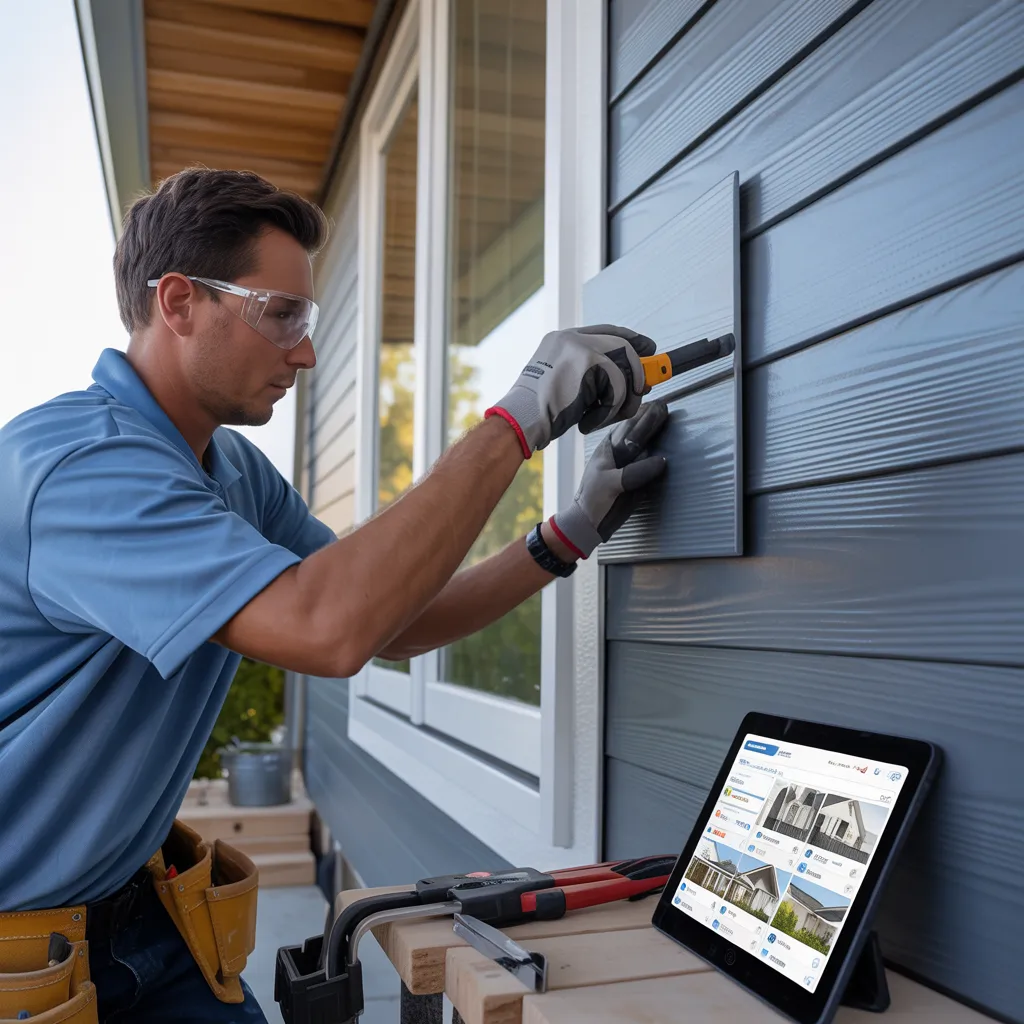
Why Professional Siding Makes a Difference for Your Home
Why is quality siding installation important for a home? The caliber of siding significantly affects a home's visual appearance, energy efficiency, and structural integrity. Professional installation ensures that the siding is applied properly, reducing the risk of leaks, mildew development, and insect problems. Additionally, expert siding services often include warranties that protect the homeowner's financial commitment, offering confidence against future issues.
Furthermore, professionals come with the capacity to handle diverse materials and meet local building codes, assuring compliance and long-lasting results. Proper siding can furthermore raise a home’s market value, making it more appealing to potential buyers. Conversely, DIY installations can lead to costly errors and substandard outcomes. Hence, investing in professional siding is crucial for preserving a home’s beauty and functionality, ultimately resulting in a safer and more comfortable living environment.
Examining Numerous Siding Products: Which One Is Appropriate for You?
When examining siding options, homeowners encounter a array of materials, each providing unique advantages. Vinyl siding is known for its budget-friendly nature and easy upkeep, while wood siding offers classic aesthetics that enhance curb appeal. Meanwhile, fiber cement stands out itself for its superior durability and resistance against the elements, making it a practical choice for many.
Vinyl Siding Positive Aspects
Even though homeowners often face a myriad of possibilities when selecting siding materials, vinyl siding emerges because of its distinct mix of durability and low maintenance. This product is resistant to rot, pests, and severe weather, making it a perfect choice for numerous climates. Moreover, vinyl siding is offered in an extensive array of colors and styles, providing versatility in design without the necessity for frequent repainting. Its cost-effectiveness compared to other siding options makes it affordable for many homeowners, while an easy cleaning process guarantees it stays visually appealing over time. In addition, vinyl siding promotes energy efficiency, aiding in lowering heating and cooling bills. In summary, these benefits position vinyl siding as a compelling choice for home makeovers.
Wood Siding Style
While PVC panels offers practicality, wood siding engages with its raw elegance and timeless appeal. The textural depth and soft shades of wood create an welcoming feel, improving a home's curb appeal. Available in several types, like cedar, pine, and redwood, wood siding allows homeowners to adjust their aesthetic preferences. Its adaptability can complement different architectural styles, from country homes to modern designs. Additionally, wood siding can be painted or colored to achieve the intended style, enabling further personalization. However, the unique grain patterns and natural variations in color offer a singular aesthetic that artificial alternatives do not have. Consequently, wood siding remains a popular choice for those seeking an elegant, organic appearance for their homes.
Fiber Cement Endurance
Fiber cement siding boasts its superior durability, making it a competitive contender in the domain of home exteriors. Consisting of a mixture of cement, sand, and cellulose fibers, this material resists rot, warping, and insect damage. Unlike wood, fiber cement is not affected by moisture-related issues, assuring long-lasting performance even in harsh climates. Its resistance to fading and cracking also supports its longevity, requiring maintenance through the years. Moreover, it can be painted in numerous colors, allowing homeowners to adjust aesthetics without undermining durability. This combination of strength and versatility makes fiber cement siding an optimal choice for those pursuing both form and function in their home improvement projects.
The Role of Siding in Improving Energy Efficiency and Comfort
Siding functions as a important element in boosting a home's energy efficiency and comfort. Its insulation capabilities can substantially decrease heat loss, while advanced moisture barrier techniques help maintain a steady indoor setting. As a result, homeowners can gain reduced utility costs and improved overall comfort.
The Thermal Characteristics of Siding
A thoroughly insulated home can greatly increase both energy efficiency and comfort. Siding is fundamental in obtaining this by providing an additional layer of insulation. Various siding materials, like insulated vinyl or fiber access resource cement, are minimize heat transfer, allowing homes warmer in winter and cooler in summer. This thermal barrier minimizes the workload on heating and cooling systems, leading to lower energy bills. Furthermore, the insulation properties of siding support a more consistent indoor environment, boosting overall comfort. By selecting leading siding with superior insulation, homeowners can gain a more energy-efficient home while also gaining improved noise reduction and durability. These factors make siding a smart investment in home improvement.
Methods for Preventing Air Escape
Preventing air leakage is necessary for increasing energy efficiency and comfort within a home. Proper siding installation remains a vital factor in this process. Quality siding materials, such as fiber cement or vinyl, often feature interlocking designs that close openings, reducing the potential for air infiltration. Additionally, employing dependable sealing methods, like caulking and weather stripping, fortifies the barriers against unwanted drafts. Insulation behind the siding also contributes greatly by preserving stable interior conditions. Regular maintenance, including inspections for cracks and wear, guarantees that the siding continues to achieve optimal results. By addressing air leakage through thoughtful siding choices and meticulous installation, homeowners can achieve impressive energy reductions and improved indoor comfort year-round.
Essential Qualities to Look for in High-Efficiency Siding?
When examining high-efficiency siding, occupants often wonder what main characteristics to stress. First and foremost, insulation quality is essential; siding with a maximum R-value signifies greater heat resistance, which regulates indoor temperatures. Homeowners should also look for materials that are resistant to moisture and mold, as these can undermine energy efficiency over time.
Another critical aspect is the siding's potential to curtail air infiltration. Products with snug seams and interlaced panels can minimize drafts. Additionally, reflective surfaces that turn away sunlight can help keeping homes chilled in the summer.
Finally, sustainable materials that contribute to sustainability can be advantageous. Options such as fiber cement or engineered wood not only provide durability but also improve energy efficiency. By considering these aspects, homeowners can make smart choices that contribute to lower energy bills and a more comfortable living environment.
Important Guidelines for Selecting the Correct Exterior Cladding
Finding the right siding material involves several key considerations that go past power savings. Homeowners should emphasize durability, as options such as vinyl or fiber cement can resist harsh climatic conditions. Visual appeal is also essential; the siding should complement the home's architectural style while aligning with personal taste. Upkeep needs differ significantly among materials; wood may require regular painting or staining, whereas vinyl generally requires minimal upkeep.
Price is another important factor, including both initial investment and ongoing expenses. Sustainable options, including recycled timber or repurposed resources, may appeal to environmentally conscious property owners. Additionally, local climate conditions should affect your choice, as some products function more effectively in specific environments. Finally, property owners should evaluate the accessibility of cladding choices in their region, as this could impact both selection and setup procedures. Taking a thoughtful approach will ensure that the chosen siding enhances both the property's worth and curb appeal.
Why Installation Is critical for Siding Longevity
Proper setup is crucial for ensuring the durability of siding materials. When siding is installed correctly, it creates a secure barrier against environmental elements, minimizing the risk of damage from moisture, wind, and pests. Misalignment or improper caulking during installation can lead to gaps that allow moisture penetration, ultimately causing fungal development and structural damage.
Also, respecting manufacturer guidelines during installation is mandatory. Each siding material has specific requirements that, when followed, foster durability and performance. For instance, improper nailing techniques or inadequate insulation can jeopardize the integrity of the siding, leading to premature deterioration.
Furthermore, professional installation often includes quality checks and guarantees, giving homeowners with confidence. Investing in a skilled installation team not only guarantees visual attractiveness but also protects the siding investment, extending its durability and effectiveness. Proper installation, therefore, is an essential step in maintaining the value and protection of a home.
Advice for Upkeeping Your Siding for Long-term Appearance and Protection
Upkeeping exterior panels requires regular attention to verify its attractive appearance and protective qualities persist over time. Residents should start with regular checks to spot any signs of damage, such as fractures or distortion. Washing the siding every six months is essential; using a gentle detergent and delicate bristles can prevent the accumulation of dirt and mildew. Additionally, inspecting the sealant around openings helps to prevent water penetration, which can result in more significant issues.
It is also recommended to repaint or stain wood siding every few years to preserve its integrity and appearance. For vinyl siding, a simple wash with a garden hose is often adequate. Homeowners should be aware of overhanging trees that can harm siding and trim them back as needed. By applying these maintenance tips, homeowners can confirm their siding remains attractive and functional for years to come.
Commonly Posed Questions
How Might I Spot Indicators of Compromised Siding?
To identify signs of damaged siding, one should look for cracks, warping, peeling paint, mold growth, and gaps between panels. Additionally, inspect for water inside the home, which may reveal structural problems with the siding.
How Long Is the Expected Lifespan of Different Siding Materials?
Exterior cladding have varying lifespans: wood lasts 20-40 years, vinyl 20-30 years, fiber cement 25-50 years, and aluminum about 30 years. Elements such as climate and maintenance can substantially affect these durations.
Is a Permit Necessary for Siding Installation?
Whether a authorization is required for siding installation is based on local requirements. Usually, residents should consult with their municipal building office to verify conformity with any essential authorizations and to prevent potential charges or construction setbacks.
Can You Add New Siding Over Existing Siding?
Yes, updated cladding can usually be attached over existing siding, provided the underlying structure is secure and meets local building codes. However, proper assessment and potential moisture barriers should be reviewed to guarantee long-term durability.
How Much Does Siding Affect My Home's Market Worth?
Siding dramatically determines a home's selling price by elevating curb appeal and operational efficiency. Quality materials and professional installation can interest potential buyers, possibly increasing offers and reducing listing time, ultimately producing a higher return.